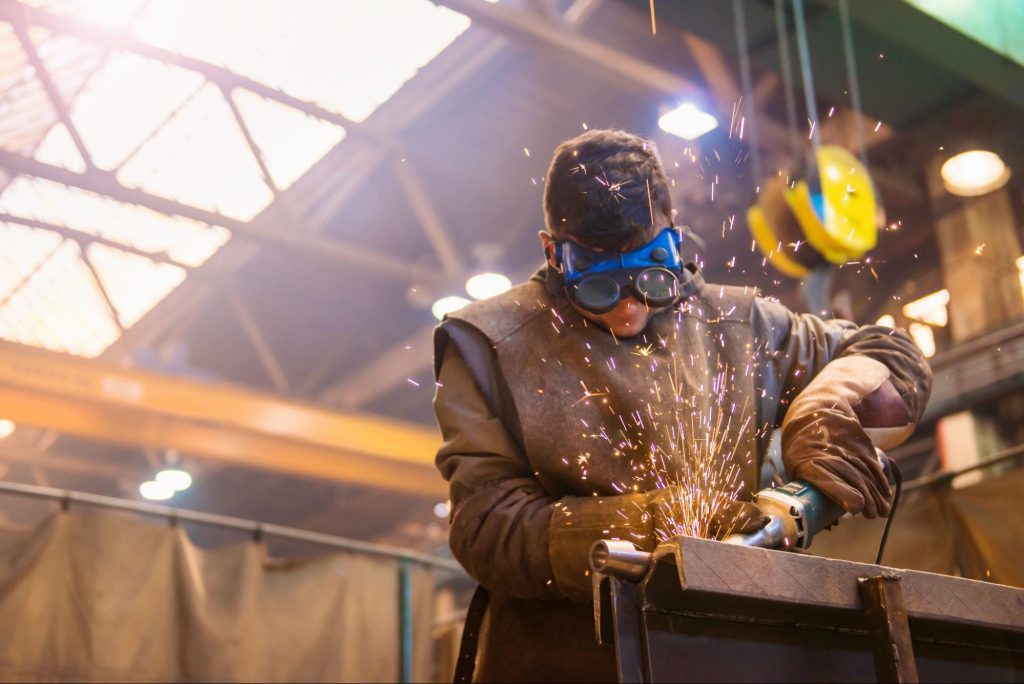
Metal products appear in homes, businesses, factories, and public spaces every day. Behind those products are fabrication specialists who turn raw materials into functional parts and finished structures. Their work combines skilled craftsmanship with modern technology to deliver solutions for projects of all sizes. Many people think only of welding when they hear the term metal fabrication, yet the process involves much more, from planning through final inspection. Learning what these companies offer makes it easier to choose the right partner for custom projects, repairs, or large-scale production.
What Metal Fabrication Services Include
A qualified fabrication company studies the project’s requirements before recommending materials, production methods, and finishing options. This approach helps produce components that meet performance expectations while reducing unnecessary delays and waste. Examining the core services helps explain why fabrication companies support such a wide range of industries and applications.
Custom Metal Design and Planning
Every successful project starts with careful planning, not immediate production. Fabrication specialists review drawings, measurements, and design goals before work begins. Many companies use computer-aided design (CAD) software to create detailed digital models that reveal potential issues before cutting materials. Early planning also allows adjustments that improve strength, simplify manufacturing, or reduce production costs. Customers benefit from clearer expectations because the design process establishes accurate dimensions and practical solutions from the beginning.
Precision Cutting and Material Shaping
Once the design is complete, fabrication moves into material preparation. Fabricators use advanced equipment such as laser cutters, plasma cutters, waterjet systems, and CNC machines to produce clean, accurate cuts. Each method suits different materials, thicknesses, and project requirements. Skilled operators monitor every stage to maintain consistent dimensions and reduce material waste. Precise cutting also allows components to fit together correctly during assembly. Better accuracy at this stage helps improve both production efficiency and the quality of the finished product.
Metal Forming and Bending
Metal fabrication often requires more than cutting materials to the correct size. Fabricators use specialized equipment to bend and shape metal into precise angles and curves without weakening its structure. Press brakes, rollers, and forming machines help produce components that meet exact design requirements. This process supports products ranging from brackets and enclosures to structural frames and architectural features. Accurate forming also improves assembly because each part fits as intended. Well-shaped components contribute to stronger, more dependable finished products.
How the Metal Fabrication Process Works
Fabrication follows a logical sequence that keeps projects organized from beginning to end. Every stage builds on the previous one, allowing quality checks before production continues. Although the exact process varies by project, most fabrication companies follow a similar workflow.
Design and Material Selection
After reviewing the project, fabricators recommend materials that match its intended use. Steel often provides structural strength, while stainless steel resists corrosion in demanding environments. Aluminum remains popular because it combines durability with lighter weight. Copper and brass also serve decorative and specialized applications. Material selection affects appearance, strength, maintenance needs, and long-term performance. Choosing the right metal early helps prevent costly changes later in production.
Fabrication, Finishing, and Inspection
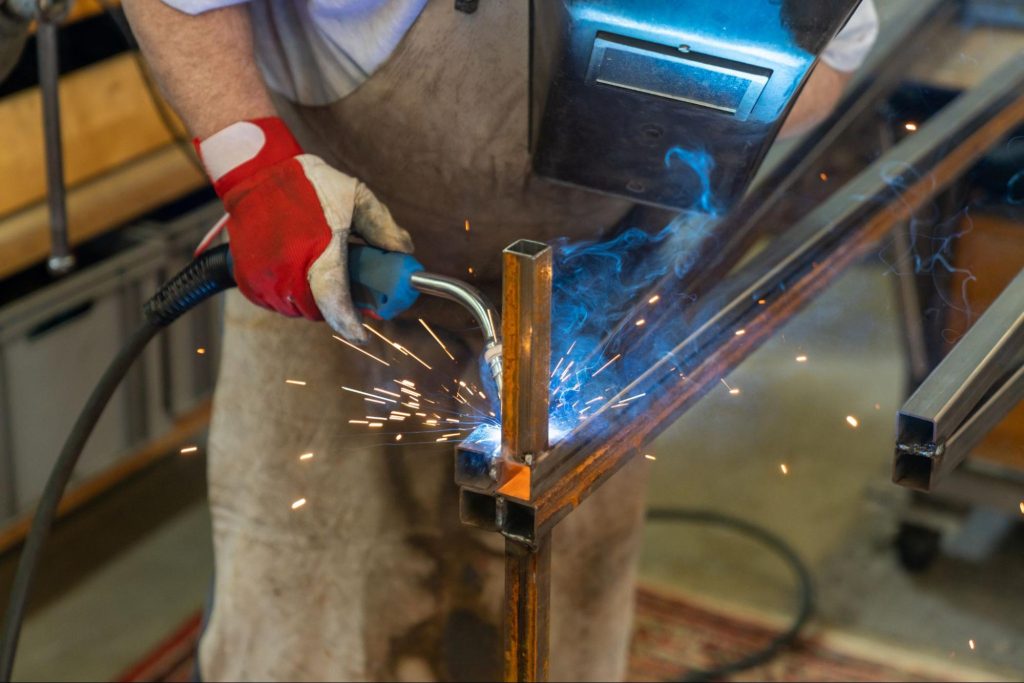
After materials are prepared, fabrication teams cut, bend, form, machine, and weld each component. Modern shops may also use robotic welding and automated equipment to improve consistency on larger production runs. Once assembly is complete, products receive finishing treatments based on their intended environment and appearance. Fabricators may polish surfaces, apply protective coatings, powder coat, paint, or galvanize finished pieces to improve durability and corrosion resistance. Every product then goes through a final inspection to verify dimensions, craftsmanship, and overall quality. This final review helps confirm that each completed product meets project specifications before delivery.
Assembly and Final Delivery
After fabrication and finishing, each component moves through the final stages of production. Fabricators assemble products according to project specifications and verify that every part fits correctly. Final inspections confirm quality, dimensions, and overall craftsmanship before products leave the facility. Many companies also package materials carefully to reduce the risk of damage during transportation. Some fabrication companies coordinate delivery schedules to help projects stay on track. This final stage ensures customers receive products ready for installation or immediate use.
Custom Fabrication Compared With Standard Products
Standard products work well for common applications, but they may not fit specialized designs or unique operating conditions. Custom fabrication provides greater flexibility by creating products that match exact measurements and functional requirements. Comparing both options helps customers decide which approach offers the best long-term value.
When Custom Fabrication Makes Sense
Custom fabrication becomes the better choice when standard products cannot meet project requirements. Some projects require unique dimensions, unusual shapes, or specialized materials that are not readily available. Businesses may also need replacement components for older equipment that manufacturers no longer produce. Fabrication companies create these parts to match existing systems as closely as possible. This personalized approach reduces the need for costly modifications during installation. It also allows customers to achieve solutions that better support their operational goals.
Advantages Over Off-The-Shelf Products
Custom fabrication offers benefits that extend beyond appearance or size. Products built for a specific application often fit better and perform more reliably over time. Fabricators can also recommend design improvements that strengthen components or simplify future maintenance. Many projects benefit from higher-quality materials than those used in mass-produced products. Custom manufacturing also allows greater control over finishes, dimensions, and production quality. These advantages often result in products that provide better value throughout their service life.
Materials and Processes That Support Quality
The quality of a fabricated product depends on more than just skilled craft. Material selection, manufacturing methods, and finishing processes all influence how well the final product performs over time. Experienced fabrication companies understand how these elements work together to produce reliable results. Their recommendations help customers choose solutions that match both performance needs and project budgets.
Working With Different Types of Metals
Different projects require different metals because each material offers unique advantages. Carbon steel remains a popular choice for structural applications because of its strength and affordability. Stainless steel performs well in environments exposed to moisture, chemicals, or frequent cleaning. Aluminum provides excellent durability while reducing overall weight, making it useful for transportation and architectural projects. Copper and brass continue to serve electrical systems, decorative features, and specialty applications. Matching the right material to the project helps improve performance, longevity, and long-term value.
Surface Finishing and Protective Coatings
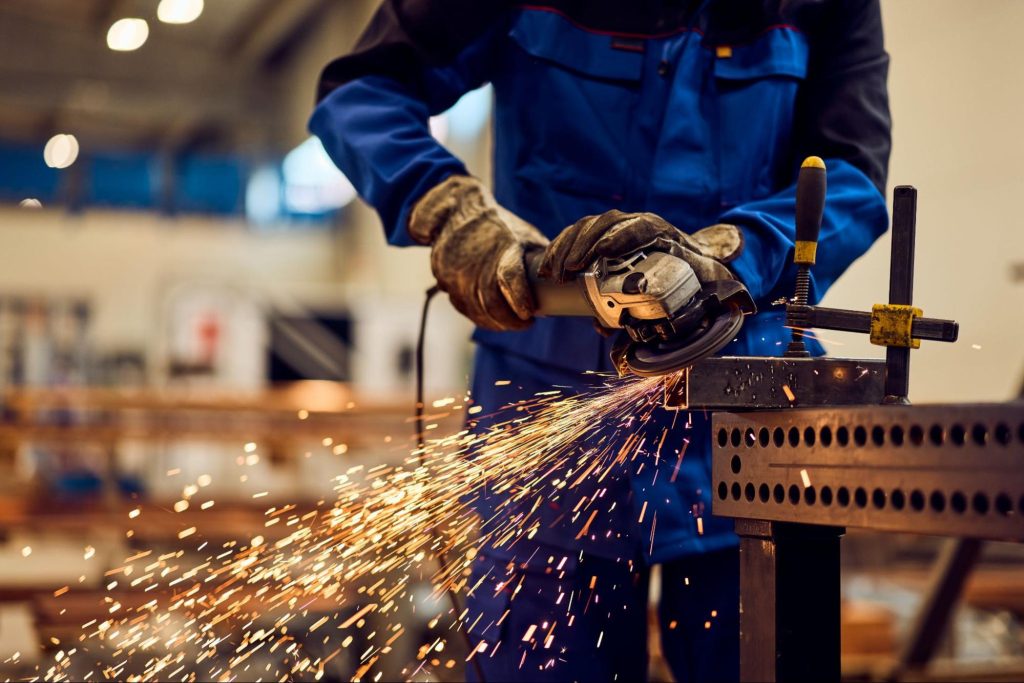
Fabrication often continues after welding and assembly are complete. Many companies provide finishing services that improve both appearance and durability. Powder coating creates a strong, attractive finish that resists scratches, fading, and corrosion. Galvanizing protects steel products exposed to moisture, while painting and polishing provide additional protection and visual appeal. Some projects also require sandblasting to prepare surfaces before applying coatings. These finishing services help fabricated products maintain their appearance and performance for many years.
Precision Welding Techniques
Strong welds allow fabricated products to perform safely under daily use. Skilled welders select the appropriate welding method based on the metal type, thickness, and application. Modern fabrication shops often combine manual craftsmanship with automated welding systems to improve consistency. Careful inspection follows every major weld to verify strength and appearance. Proper welding reduces the risk of structural failure while extending the product’s service life. High-quality craftsmanship at this stage contributes to dependable long-term performance.
Industries That Benefit From Metal Fabrication
Many industries rely on custom metal components to improve safety, efficiency, and daily operations. Fabrication companies adjust their services to meet different technical requirements and production demands. Their ability to create both custom and repeatable products makes them valuable partners across many sectors.
Commercial and Industrial Applications
Businesses depend on fabricated metal products for equipment, infrastructure, and workplace safety. Fabrication companies also produce structural supports, walkways, handrails, and protective barriers for industrial environments. Many projects require strict quality standards to ensure safe, dependable operation. Skilled fabricators help businesses meet these expectations through accurate manufacturing and consistent craftsmanship.
Residential and Architectural Projects
Homeowners and property developers also benefit from professional fabrication services. Custom gates, fences, railings, pergolas, and decorative metal panels add both function and style to a property. Fabricated staircases, balconies, and architectural accents can also complement different building designs. Many customers choose custom fabrication because standard products do not fit their space or design goals. Fabricators work closely with clients to create products that match both practical needs and visual preferences. This flexibility helps each project achieve a more personalized, longer-lasting result.
Infrastructure and Public Projects
Metal fabrication also supports public infrastructure and community development projects. Fabricators produce structural components for bridges, walkways, transit stations, utility systems, and public buildings. Many projects require durable materials that withstand continuous use and changing weather conditions. Precision manufacturing helps these components meet strict engineering and safety requirements. Reliable fabrication also supports faster installation by delivering accurately built parts. This work contributes to safer and longer-lasting public facilities.
Metal Fabrication From Prototype to Production
Not every fabrication project begins with large production orders. Some customers need a single prototype, while others require thousands of identical components over time. Experienced fabrication companies adjust their workflow to match changing production needs without sacrificing quality. This flexibility lets customers develop new products and scale production with greater confidence.
Prototype Development and Product Testing
Many new products begin as a single prototype before full manufacturing starts. Fabricators build these early versions so customers can evaluate size, fit, function, and overall performance. Testing often reveals opportunities to improve the design before larger production begins. Making adjustments at this stage reduces waste and helps avoid expensive revisions later. Fabrication specialists also work with customers to refine details that improve manufacturing efficiency. A well-developed prototype creates a smoother path toward successful production.
Small Batches and Large Production Runs
Production needs often change as businesses grow or customer demand increases. Fabrication companies can manufacture a single custom piece, produce limited batches, or support high-volume production schedules. Modern CNC equipment and automated systems help maintain consistent quality across larger orders. Even with increased production, experienced teams continue to inspect products throughout the manufacturing process. This scalable approach allows customers to expand production without changing suppliers. It also provides greater flexibility when future projects require higher volumes or design updates.
Consistent Quality Across Every Production Stage
Maintaining quality becomes even more important as production volumes increase. Fabrication companies inspect materials, measurements, welds, and finished products throughout the manufacturing process. These inspections help identify issues before they affect larger production runs. Many companies also follow documented quality procedures to deliver consistent results across every order. Careful monitoring reduces waste while improving customer satisfaction. This commitment to quality helps customers receive dependable products regardless of production volume.
Build Better Projects With Metal Fabrication Companies
The right fabrication partner offers more than equipment and manufacturing expertise. They provide practical solutions that support stronger products, efficient production, and long-term performance. From custom prototypes to large production runs, experienced professionals help turn ideas into dependable metal components built for real-world use. Working with trusted metal fabrication companies today can help your next project move forward with greater confidence, consistent quality, and lasting results.
Every fabrication project comes with unique challenges. Explore the Will’s Welding & Fire Escapes blog for professional guidance, industry knowledge, and custom metalworking solutions designed to help you plan with confidence.