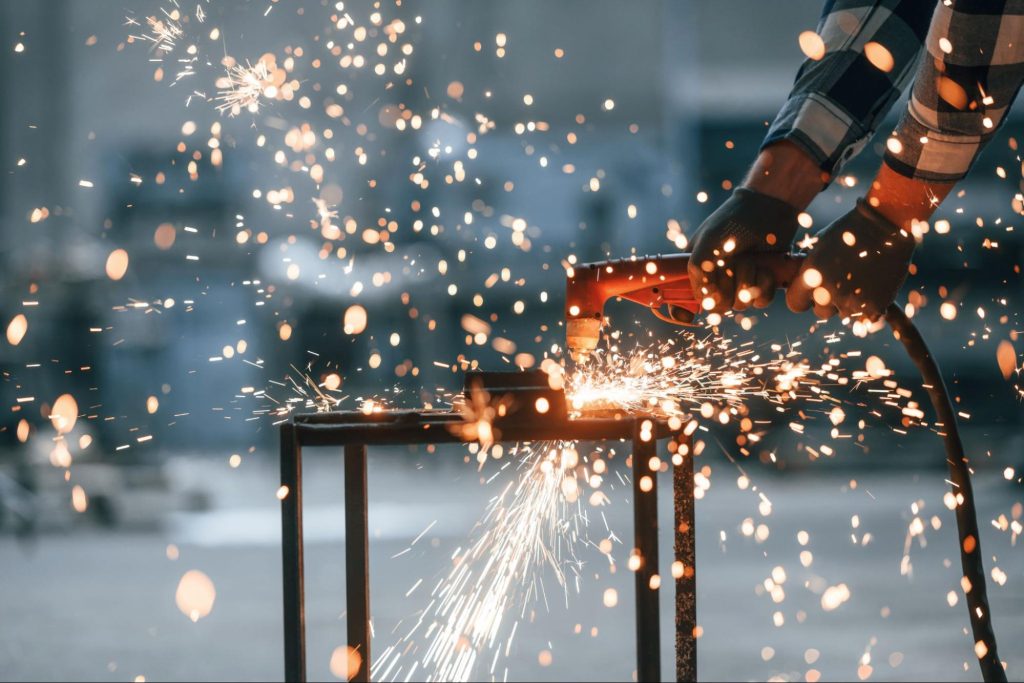
Metal products depend on strong joints for daily performance and safety. Welding joins metal parts through controlled heat and pressure. Many industries use welding for buildings, vehicles, pipelines, and equipment. Skilled welders support manufacturing, repairs, and large construction projects worldwide. Modern welding methods improve product strength, efficiency, and long-term reliability.
What Welding Means Today
Welding joins materials by applying heat, pressure, or both. Most welding projects involve steel, aluminum, or stainless steel surfaces. This process creates permanent joints that are stronger than those made with bolts or mechanical fasteners. Many manufacturers prefer welding because welded structures handle stress effectively.
How Welding Works
Welding melts the edges of the materials until they fuse completely. Welders often add filler metal to achieve stronger, cleaner connections. After cooling, the fused section hardens into one solid structure. Clean surfaces improve weld quality and reduce contamination problems. Proper heat control prevents weak joints, cracks, and costly structural damage. Skilled welders monitor temperature, alignment, and movement throughout every welding process.
Why Weld Strength Matters
Strong welds protect structures from pressure, vibration, and heavy daily use. Weak welds significantly increase repair costs and pose serious safety risks. Construction companies inspect weld quality before approving finished metal structures. Reliable welding supports long-lasting equipment, vehicles, and industrial systems worldwide. Customers often overlook welds, yet weld quality directly affects product durability. Businesses value consistent welding because strong joints reduce maintenance expenses over time.
History of Modern Welding
Welding methods started centuries before modern industrial manufacturing developed globally. Early metalworkers heated iron and manually hammered pieces together. Industrial growth increased demand for stronger and faster joining methods. Today’s welding systems combine advanced equipment with practical human expertise.
Early Welding Techniques
Ancient blacksmiths used forge welding before electricity became widely available worldwide. They heated the metal until the surfaces softened completely under extreme temperatures. Workers hammered heated pieces together until bonding occurred naturally. This traditional method required physical strength and daily careful temperature monitoring. Small mistakes easily weaken tools, weapons, and other finished metal products. Many modern welding principles still reflect those early metalworking techniques today.
Industrial Welding Growth
Electric arc welding changed manufacturing during major industrial expansion periods worldwide. Factories needed faster production methods for machinery and transportation systems. Welding technology advanced rapidly during wartime manufacturing and infrastructure development. Engineers developed stronger equipment for shipbuilding, automotive, and steel construction projects. Businesses later expanded welding operations across commercial and industrial manufacturing sectors. Modern economies still depend heavily on efficient and reliable welding services.
Common Welding Methods
Different welding methods support different materials, environments, and production requirements today. Some techniques focus on speed, while others prioritize precision and appearance. Professional welders often learn multiple welding systems to broaden their career opportunities. Choosing the correct method improves efficiency, durability, and overall product quality.
MIG Welding Basics
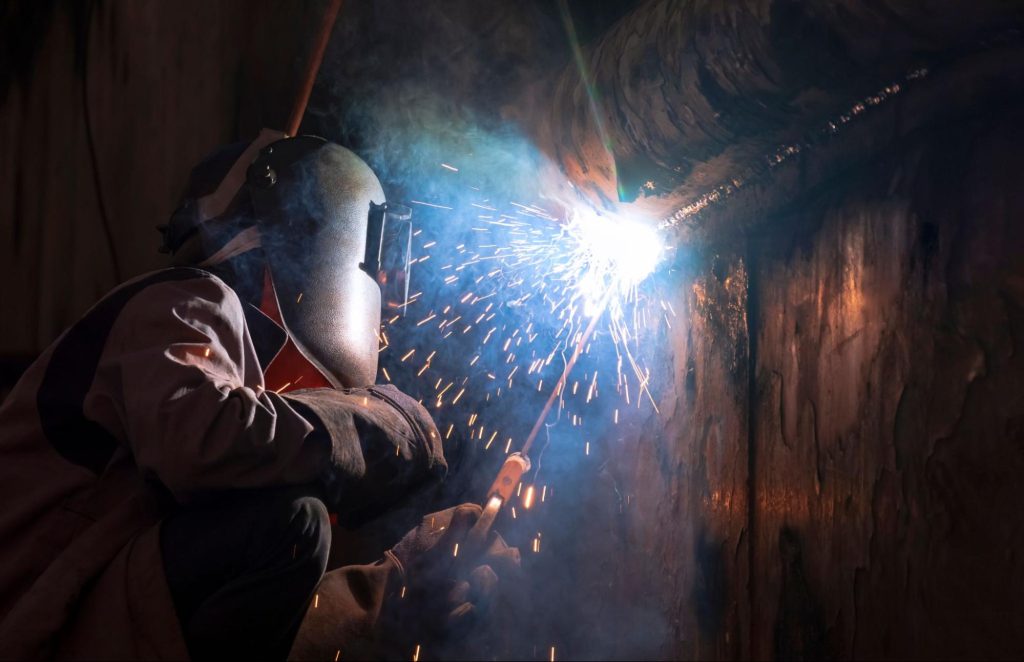
MIG welding uses a continuously fed wire electrode through specialized welding equipment. Shielding gas protects molten metal from air contamination during operation. Manufacturers prefer this method because it keeps production moving quickly and smoothly. Automotive companies often use MIG welding for frame assembly. Beginners usually learn MIG welding because the equipment is easier to control. Repair shops also use this process for consistent, clean metal repairs.
TIG Welding Applications
TIG welding creates precise welds with controlled heat and careful movement. This process uses tungsten electrodes and separate filler materials. Aerospace manufacturers often choose TIG welding for delicate metal fabrication projects. Medical equipment companies also consistently prefer cleaner, smoother weld appearances. Skilled welders carefully control hand movements throughout each welding operation. Although slower, TIG welding delivers excellent detail and strong finished joints.
Stick Welding Advantages
Stick welding uses coated electrodes for durable outdoor welding. Construction crews prefer this method because weather affects operations less. Dirty or rusty surfaces also respond better to stick welding. Heavy equipment repairs often rely on stick welding for stronger metal connections. Many welders value this method because the equipment remains portable and practical. Industrial projects frequently use stick welding for thick materials and structural repairs.
Industries That Need Welding
Many industries rely on welding for production, repairs, and structural support services. Welded metal supports transportation systems, energy facilities, and commercial construction projects. Skilled welders help companies maintain product quality and operational safety standards. Demand remains strong because industries continue expanding manufacturing and infrastructure operations globally.
Construction Welding Services
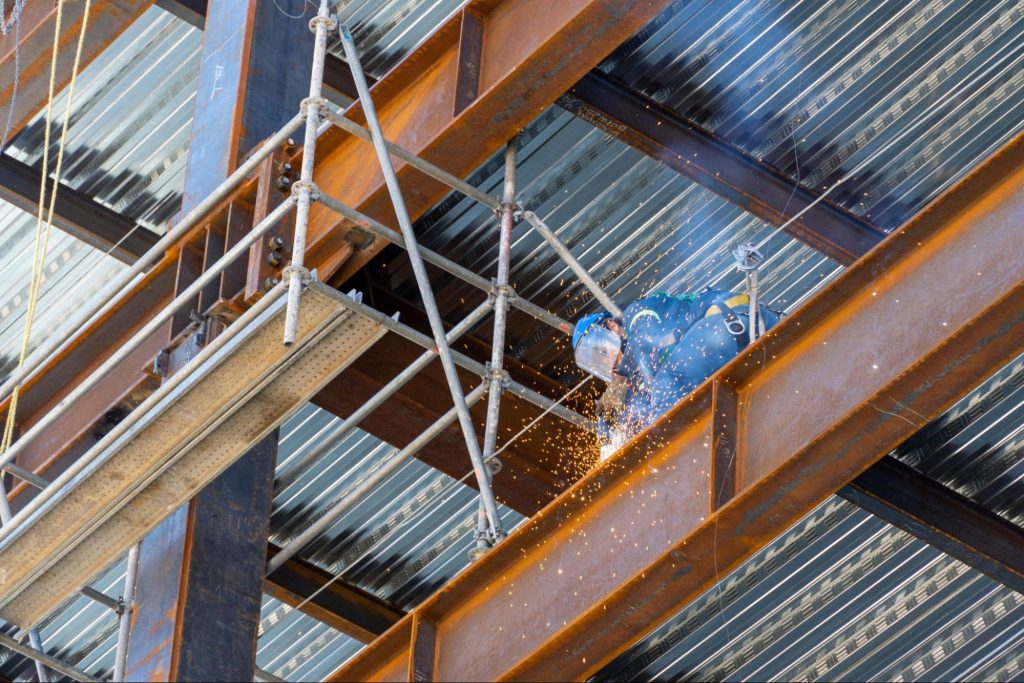
Construction welding supports steel frameworks, bridges, pipelines, and exterior fire escapes. Welders fabricate stairways, railings, and support brackets for building safety systems. Engineers inspect weld quality because structural failures create major safety concerns. Construction welders often work outdoors under changing weather and site conditions. Reliable welding improves structural durability and long-term public safety performance. Strong welded joints help fire escapes withstand weight, pressure, and environmental exposure.
Automotive Welding Operations
Automotive welding supports vehicle manufacturing, repairs, and replacement-part installation. Vehicle frames contain numerous welded joints for strength and crash resistance. Robotic systems improve production speed and welding consistency inside manufacturing facilities. Repair shops regularly weld exhaust systems, frames, and damaged components. Proper welding extends vehicle lifespan and significantly improves long-term driving safety. Manufacturers inspect welded vehicle parts carefully before releasing products for public use.
Energy Industry Welding
Energy companies depend on welding for pipelines, storage tanks, and pressure systems. Welded structures face extreme heat, pressure, and demanding operating conditions daily. Oil and gas facilities require durable welds to keep operations safe. Pipeline welding crews often work in remote, physically demanding environments. Precision matters because damaged welds may cause leaks or operational shutdowns. Industrial welding services help significantly reduce maintenance costs and equipment failures.
Hidden Costs of Poor Welding
Poor welding causes costly structural and operational problems across many industries worldwide. Weak welds often cause repairs, production delays, and serious safety concerns later. Construction companies lose time and money repeatedly fixing failed metal connections. Reliable welding reduces liability risks and significantly improves long-term structural performance.
Structural Failures and Repair Costs
Weak welds often crack under pressure, vibration, or repeated heavy equipment use. These failures quickly increase repair expenses and can cause unexpected operational shutdowns. Commercial buildings, bridges, and fire escapes require durable welded support systems daily. Poor quality may also significantly weaken railings, staircases, and industrial safety structures. Repair crews often spend additional labor correcting preventable welding mistakes afterward. Strong welding practices consistently reduce maintenance costs and improve long-term structural reliability.
Delays and Compliance Problems
Failed weld inspections often delay construction and manufacturing project schedules. Many industries follow strict safety codes for structural metal fabrication projects. Inspectors may reject welded sections that show cracks, corrosion, or poor joint penetration. This inspection process regularly affects pipelines, commercial buildings, and exterior fire escape systems. Delays increase labor costs and further damage production timelines and business operations. Professional welding services help companies avoid costly compliance and safety violations.
Welding Safety and Protection
Welding creates hazards involving heat, sparks, fumes, and exposure to bright arc light. Professional welders carefully follow strict safety procedures on every welding project. Protective equipment reduces injuries and improves safer working environments for employees. Businesses also maintain ventilation systems and conduct regular equipment inspections to ensure safety.
Protective Welding Equipment
Welding helmets protect eyes from daily exposure to dangerous ultraviolet and infrared light. Modern helmets often include automatic-darkening lenses for better visibility control. Gloves and flame-resistant jackets protect skin from sparks and heat injuries. Durable boots improve stability and significantly reduce the risk of workplace accidents. Respirators help protect workers from harmful welding fumes and airborne particles. Safety equipment supports healthier and more productive welding environments across industries.
Importance of Safety Training
Safety training teaches welders proper equipment handling and hazard prevention methods. Workers carefully learn fire prevention, electrical safety, and emergency response procedures. Hands-on instruction significantly improves workplace awareness and technical welding performance. Supervisors also regularly inspect tools because damaged equipment increases accident risk. Clear communication helps welding teams report hazards before serious incidents develop. Strong safety habits support safer operations and better long-term worker health outcomes.
How Weld Inspections Improve Safety
Weld inspections help identify hidden structural problems before unexpected failures occur. Inspectors carefully examine welded joints for cracks, weaknesses, and incomplete metal fusion. Many industries require inspections because public safety depends on reliable welded structures. Strong inspection standards improve durability for buildings, pipelines, vehicles, and fire escapes.
Detect Hidden Weld Defects
Inspectors regularly use visual checks and specialized tools during welding quality evaluations. They examine weld size, shape, and surface consistency for possible structural defects. Some inspections also use sound waves or pressure testing methods for accuracy. These inspection methods help identify hidden cracks inside metal connections before failures occur. Construction companies often inspect staircases, platforms, and support structures carefully. Reliable inspections improve workplace safety and significantly reduce long-term maintenance problems.
Maintain Industry Safety Standards
Inspection standards help industries consistently maintain stronger, safer welded metal structures. Poor inspection practices may allow dangerous weld defects to remain unnoticed longer. Building inspectors often review commercial welding projects before final approval. This inspection process supports safer public infrastructure and better overall operational performance. Many industrial companies follow national welding standards to ensure quality control. Strong inspection systems protect workers, customers, and surrounding communities from structural risks.
Prevent Expensive Structural Failures
Routine weld inspections help businesses avoid costly repairs and operational disruptions later. Small welding defects often worsen under pressure, vibration, and constant equipment use. Early inspections catch weak joints before they develop into larger structural problems. Industrial facilities rely on inspections to reduce shutdowns and equipment replacement costs. Property owners also benefit from improved safety and significantly reduced liability concerns. Consistent inspections support stronger performance and longer-lasting welded structures overall.
Support Durable Construction With Welding
Strong welding supports safer buildings, durable equipment, and reliable daily operations consistently. Poor metal connections often cause costly problems long after construction is complete. Skilled welding significantly improves structural strength, product reliability, and long-term operational performance. Companies that prioritize quality welding protect investments, reduce future repairs, and support safer environments.
Strong metalwork starts with informed decisions. Visit the Will’s Welding & Fire Escapes blog for practical welding insights and industry knowledge.