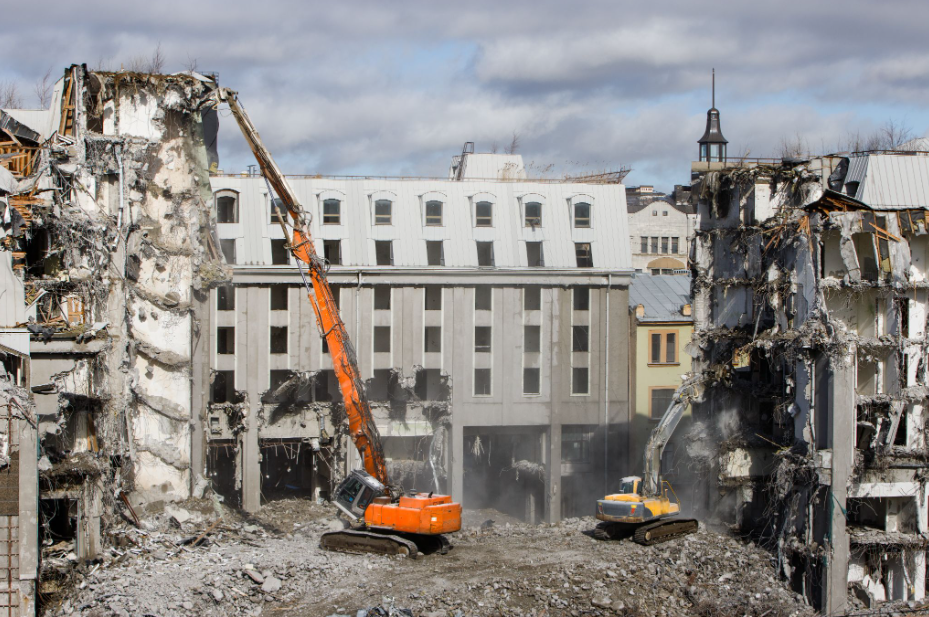
Every property has a point where repairs no longer solve the real problem. Age, structural damage, redevelopment plans, or changing property needs often make demolition the better choice. Removing a structure involves much more than heavy machinery and falling walls. Careful planning, safety measures, and responsible waste handling shape every successful project from start to finish. Understanding the process helps property owners make informed decisions before work begins.
What Are Demolition Services?
Demolition services involve the safe and controlled removal of structures, building sections, or other site features. While many people associate demolition with removing an entire building, projects vary in size and complexity. Some involve clearing an entire property, while others focus only on selected areas for renovation or expansion. Understanding what these services include makes it easier to choose the right approach for your property and long-term plans.
What Professional Demolition Includes
Professional demolition covers much more than tearing down a building. Contractors begin by evaluating the property’s condition, the surrounding environment, and potential safety risks before creating a detailed plan. Depending on the project, they may remove houses, garages, commercial buildings, foundations, driveways, retaining walls, or interior spaces. Many companies also coordinate permits, disconnect utilities, manage hazardous material removal when needed, and haul away debris after demolition. Some projects include site clearing and grading to prepare the land for future construction. This complete approach helps property owners move smoothly from demolition to the next phase of development.
Who Typically Needs Demolition Services?
Property owners choose demolition for many different reasons, and every project has unique goals. Older buildings with severe structural damage often cost more to repair than to replace. Homeowners may also remove outdated structures before building a larger home or adding outdoor living spaces. Business owners frequently clear aging commercial buildings to support redevelopment or expand existing facilities. Interior demolition also benefits remodeling projects that keep the main structure while updating the layout. Understanding the reason behind the project helps contractors recommend the safest and most practical demolition method.
When Demolition Becomes the Better Option
Not every aging building should remain standing simply because repairs are possible. Some structures continue to create safety concerns, maintenance problems, or financial burdens despite repeated improvements. Recognizing these situations helps property owners make practical decisions before problems become more expensive to address.
Structural Damage Beyond Practical Repair
Years of weather exposure, water damage, fires, or shifting foundations can weaken a structure beyond practical repair. While some damage appears minor, hidden structural issues often become apparent during inspections. Repair costs may keep rising as additional problems emerge throughout the building. In these situations, demolition sometimes offers a more practical and cost-effective solution than repeated renovations. Removing an unsafe structure also creates opportunities for safer and more efficient construction.
Redevelopment and Property Improvements
Many demolition projects begin because owners want to improve how a property serves their current needs. An outdated building may no longer support modern business operations or family living requirements. Removing older structures creates space for larger homes, commercial facilities, parking areas, or outdoor amenities. Some owners also choose selective demolition to preserve valuable portions of a building while replacing outdated sections. This flexible approach often reduces construction waste and shortens renovation timelines.
Planning Before Demolition Begins
A successful demolition project starts long before the first machine arrives on-site. Careful planning helps prevent delays, reduces unexpected costs, and creates a safer working environment for everyone involved. Taking these steps early keeps the project organized and helps avoid unnecessary setbacks later.
Property Inspection and Site Assessment
Every demolition project begins with a thorough property inspection. Contractors examine the building’s condition, construction materials, and surrounding environment before deciding how to proceed. They also identify nearby structures, trees, utilities, and access points that could affect equipment movement or safety. Older buildings often require additional evaluations to check for asbestos, lead-based paint, mold, or other hazardous materials. This detailed assessment allows contractors to estimate labor, equipment needs, and project timelines more accurately.
Permits, Utilities, and Site Preparation
Most demolition projects require permits before any work can begin. Local building departments review applications to ensure the project complies with safety and environmental regulations. Contractors also coordinate with utility providers to disconnect electricity, gas, water, sewer, and communication lines before demolition starts. Property owners may need to remove personal belongings, vehicles, and valuable materials from the site before crews arrive. Crews often install temporary fencing, warning signs, and safety barriers to secure the work area. Completing these preparations creates a safer site and helps the project stay on schedule.
The Demolition Process
Although every project is different, most demolition work follows a similar sequence. Each phase builds on the previous one to improve safety, efficiency, and organization throughout the project. Understanding this process helps property owners know what to expect from the first inspection to the final cleanup.
Site Preparation and Structure Removal
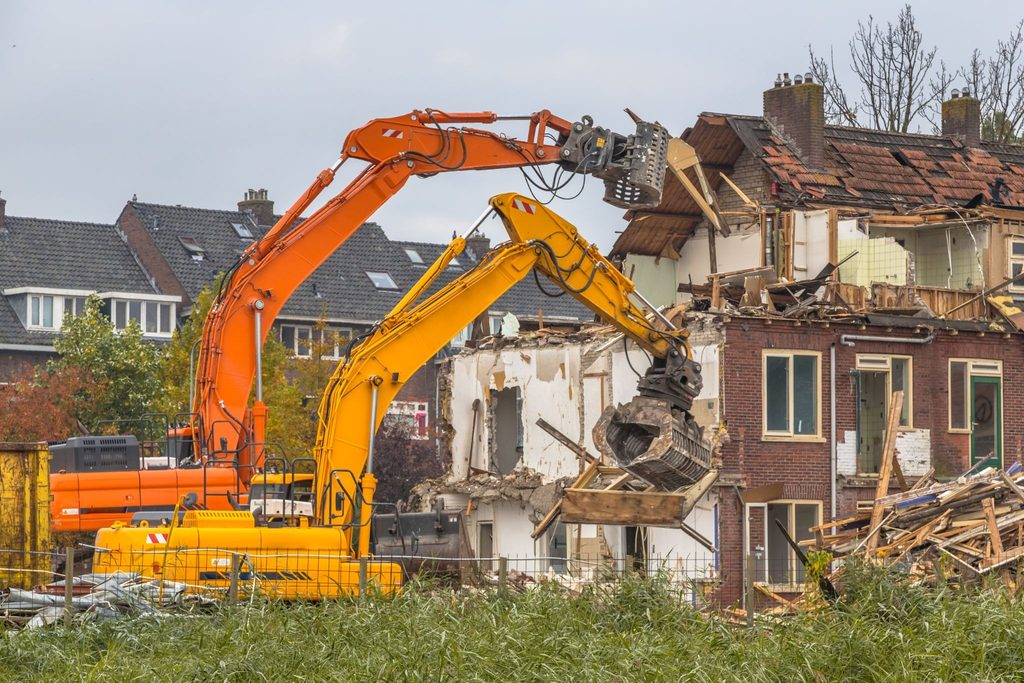
Once permits are approved and utilities are disconnected, contractors prepare the property for demolition. They establish safety zones, position equipment, and review the demolition plan with the entire crew before work begins. Depending on the project, crews may first remove doors, windows, fixtures, or other reusable materials for salvage or recycling. Heavy equipment then removes the structure in a controlled sequence rather than all at once. This method keeps debris manageable and reduces unnecessary risks throughout the project.
Debris Removal and Site Cleanup
Demolition does not end when the building comes down. Crews sort materials as they work so they can separate recyclable items from general construction debris. Whenever possible, crews take concrete, steel, asphalt, wood, and other reusable materials to recycling facilities rather than landfills. Any remaining debris is loaded, transported, and disposed of in accordance with local regulations. Contractors may also remove foundations, level the ground, and prepare the property for future construction if those services are included. A clean and properly cleared site allows the next phase of the project to begin without unnecessary delays.
Choosing the Right Demolition Method
Every structure presents different challenges, so no single demolition method works for every project. Contractors evaluate the building’s size, materials, location, and plans before selecting the safest approach. Choosing the right method also helps control costs and keeps the project on schedule.
Mechanical Demolition for Complete Removal
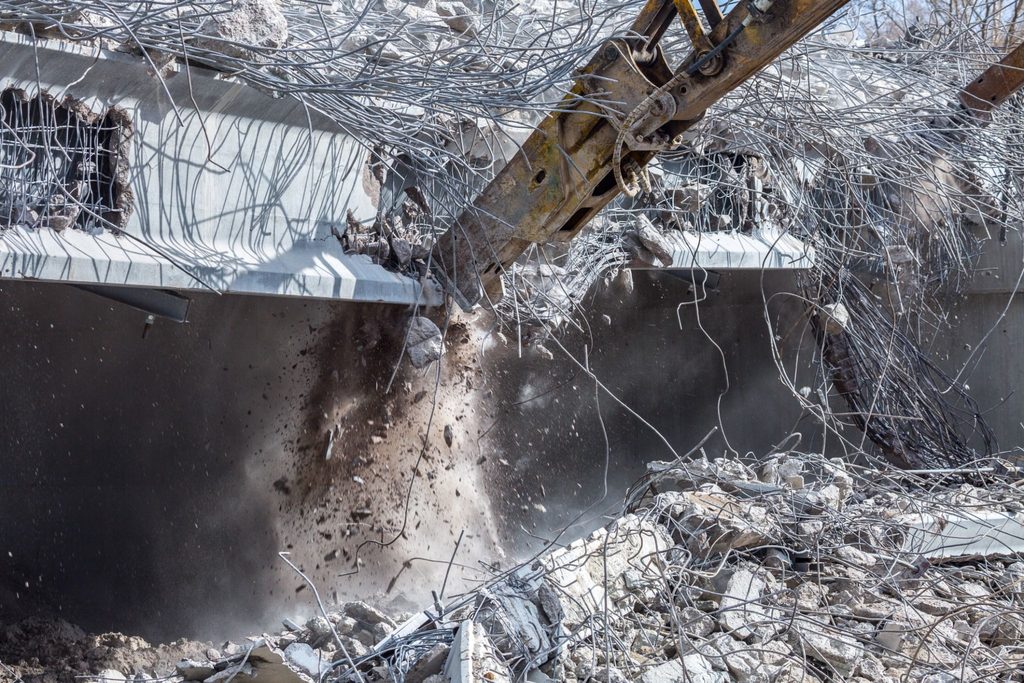
Mechanical demolition remains the most common method for removing entire structures. Contractors use excavators, bulldozers, hydraulic breakers, and other heavy equipment to dismantle buildings in a controlled manner. Instead of bringing down the entire structure at once, crews usually remove it section by section to improve safety and debris management. This approach works well for houses, commercial buildings, warehouses, and many industrial facilities. Experienced equipment operators continuously adjust their techniques as conditions change during demolition.
Selective Demolition for Renovation Projects
Not every project requires removing an entire building. Selective demolition focuses only on specific areas while protecting the remaining structure for future use. Contractors may remove interior walls, ceilings, flooring, kitchens, bathrooms, or outdated building systems during remodeling projects. This approach allows homeowners and business owners to modernize their properties without starting from the ground up. Careful planning also protects structural components, plumbing, electrical systems, and other features scheduled to remain. Selective demolition offers a practical solution for renovations that require major changes without complete reconstruction.
Safety During Demolition Projects
Demolition work involves risks that require careful planning and constant attention. Professional contractors follow strict safety procedures before, during, and after every project. Strong safety practices protect workers, neighboring properties, and anyone near the work area.
Protecting People and Nearby Properties
Safety begins with controlling access to the demolition site. Contractors install fencing, warning signs, and barriers to keep unauthorized people away from active work zones. Crews wear protective equipment suited to their responsibilities, including hard hats, eye protection, gloves, and respiratory gear when necessary. Equipment operators communicate closely with ground crews to reduce accident risk. Contractors also monitor nearby buildings and utilities throughout the project to prevent unintended damage. These precautions help keep demolition work organized while reducing risks for everyone involved.
Handling Hazardous Materials Safely
Older structures sometimes contain materials that require specialized handling before demolition can continue. Asbestos, lead-based paint, mold, and certain chemicals must be identified through proper inspections before crews begin major removal work. Licensed professionals remove these materials in accordance with environmental and safety regulations. This process protects workers and reduces the chance of harmful exposure in surrounding areas. Contractors also transport hazardous waste to approved disposal facilities instead of mixing it with general debris. Careful handling protects both public health and the environment throughout the project.
Emergency Planning During Demolition
Even well-planned demolition projects require preparation for unexpected situations. Contractors develop emergency response procedures before work begins and train crews to react quickly if conditions change. Equipment failures, unstable structures, or severe weather may require temporary work stoppages until the site is safe again. Regular safety meetings also help workers identify potential risks throughout the project.
Equipment Used for Demolition
Every demolition project depends on equipment suited to the structure and site conditions. Contractors select machinery that balances efficiency with precision while maintaining safe operations. Using the right equipment helps complete the job with fewer delays and unnecessary complications.
Heavy Equipment for Structural Removal
Excavators handle many demolition projects because they work well in various environments and with a range of attachments. Hydraulic breakers break apart reinforced concrete and other strong building materials. Bulldozers push debris into manageable piles while preparing the site for cleanup. Skid steer loaders move materials efficiently in smaller or confined spaces. Larger commercial projects may also require cranes to dismantle taller structures in a controlled way. Each machine plays a specific role in supporting safe, efficient demolition.
Specialized Tools for Precision Demolition
Some projects require greater accuracy than heavy equipment alone can provide. Contractors use concrete saws to make clean cuts before removing structural sections. Hydraulic shears separate steel components for recycling while reducing unnecessary damage to surrounding materials. Mini excavators work well inside buildings or tight spaces where larger machines cannot operate safely. Handheld tools also help crews remove fixtures, finishes, and interior materials during selective demolition. Combining specialized equipment with experienced operators produces cleaner results and supports more controlled demolition work.
Full and Partial Demolition Options
Some projects require the complete removal of a building, while others focus only on specific areas. Understanding the difference helps property owners choose the approach that best supports their renovation or redevelopment plans. Professional contractors recommend the most suitable option after evaluating the property’s condition and future use.
Complete Structure Removal
Full demolition removes the entire structure, including its major structural components. This approach often becomes necessary when buildings suffer severe damage or no longer meet current needs. Contractors may also remove foundations, driveways, retaining walls, and other site features if requested. Complete demolition creates an open site for new construction or major redevelopment projects. It also gives builders greater flexibility when designing new structures, free from existing limitations.
Interior and Selective Demolition
Partial demolition focuses on removing only the areas scheduled for replacement or renovation. Contractors may preserve the building’s structural frame while removing outdated rooms, walls, ceilings, or finishes. This approach works well for remodeling homes, offices, retail spaces, and other occupied buildings. It often reduces construction waste and shortens overall project timelines compared with complete demolition. Careful coordination protects the remaining structure and building systems throughout the work.
Build a Better Project With Demolition Services
Every successful construction project begins with a site that is safe, clean, and ready for what comes next. Professional demolition creates that starting point through careful planning, responsible removal, and attention to detail throughout the process. Choosing experienced contractors helps reduce delays, control costs, and support safer working conditions from start to finish. Investing in quality demolition services today creates a stronger foundation for the improvements and opportunities that follow tomorrow.
Every demolition project starts with informed decisions. Visit the Will’s Welding & Fire Escapes blog for practical insights, industry knowledge, and helpful resources that can support your next property improvement project.